
Displaying items by tag: perceptions of climate change
When it comes to understanding climate change, location — and age — matters
 This 2024 global temperature anomaly recap was released after the National Oceanic and Atmospheric Administration declared 2024 the hottest year on record. On Feb. 12, 2026, the Trump Administration moved to gut the science-based “findings” rule that allowed the U.S. to restrict the release of carbon dioxide and other pollutants known to be contributing to the global greenhouse effect. NOAA
Higher education can train students to carefully consider the evidence around them
This story was originally published by The Conversation. R. Alexander Bentley is a professor of anthropology at the University of Tennessee.
KNOXVILLE — Years ago, after taking an Earth science class, I found myself looking at the world differently. It was the 1990s, and lakes in Wisconsin where I lived at the time were beginning to freeze later in winter and thaw earlier in spring, and flowers seemed to bloom a bit earlier.
That geology class helped me understand the gradual warming that was underway, warming that has accelerated since then.
People are more likely to believe an explanation when they see direct evidence of it. In the U.S., the percentage of people who recognize that global warming is happening is higher in counties that experienced record high temperatures in the previous decade. But understanding what’s happening and why also matters. That’s because people’s existing knowledge shapes how they interpret the evidence they see.
Education level and political affiliation are both known to be strong global predictors of concern about climate change.
But does higher education actually create climate concern? As an anthropologist and a researcher in computational social science, I and my colleague Ben Horne set up a study to try to answer that question.
The South’s hidden climate threat
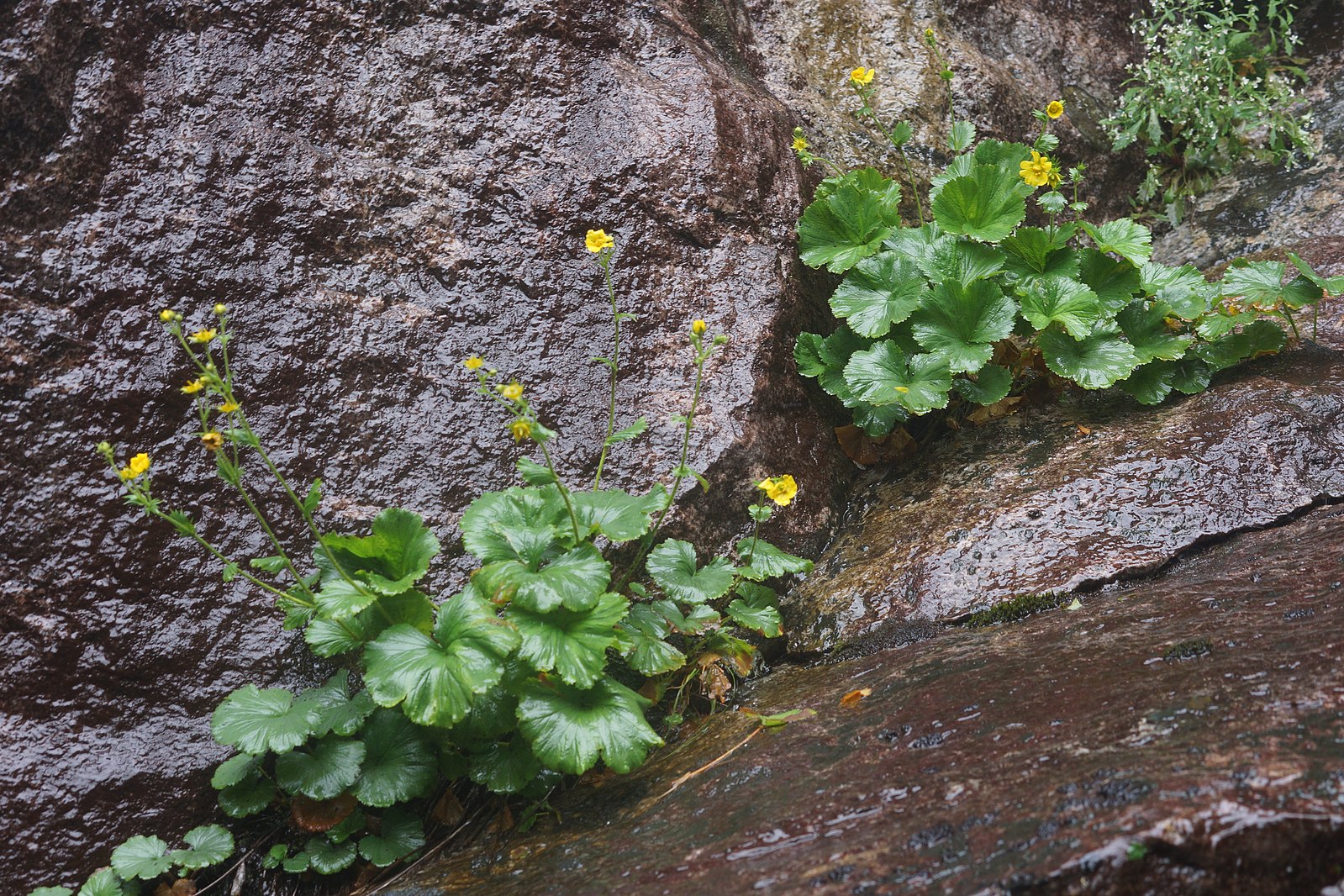 Spreading avens are seen in bloom in the Appalachians. The endangered long-stemmed perennials survive in higher mountain elevations but their lack of space to move higher in elevation in times of climate change and warming further threaten the plant. USFWS
It’s not just the coastlines that are recording climate change. Even the mountains of North Carolina are feeling the heat — including some endangered plants
“Atlanta reporter Dan Chapman retraced John Muir’s 1867 trek through the South, including the naturalist’s troubling legacy, to reveal environmental damage and loss that’s been largely overlooked.” This is an excerpt published by The Revelator from his book, A Road Running Southward: Following John Muir’s Journey Through an Endangered Land.
BOONE — It’s a wonder anything survives the ice, snow, and winds that pummel the ridge, let alone the delicate-seeming yellow flowers known as spreading avens.
The lovely, long-stemmed perennials are exceedingly rare, officially listed as endangered, and found only in the intemperate highlands of North Carolina and Tennessee. They sprout from shallow acidic soils underlying craggy rock faces and grassy heath balds. At times blasted with full sun, but mostly shrouded in mist, the avens are survivors, Ice Age throwbacks that refuse to die. Geum radiatum is only known to exist in fourteen places, including hard-to-find alpine redoubts reached via deer trail or brambly bushwhacking.