
Displaying items by tag: tennessee chamber of commerce
Find kindred spirits at a sustainability conference in the Smokies
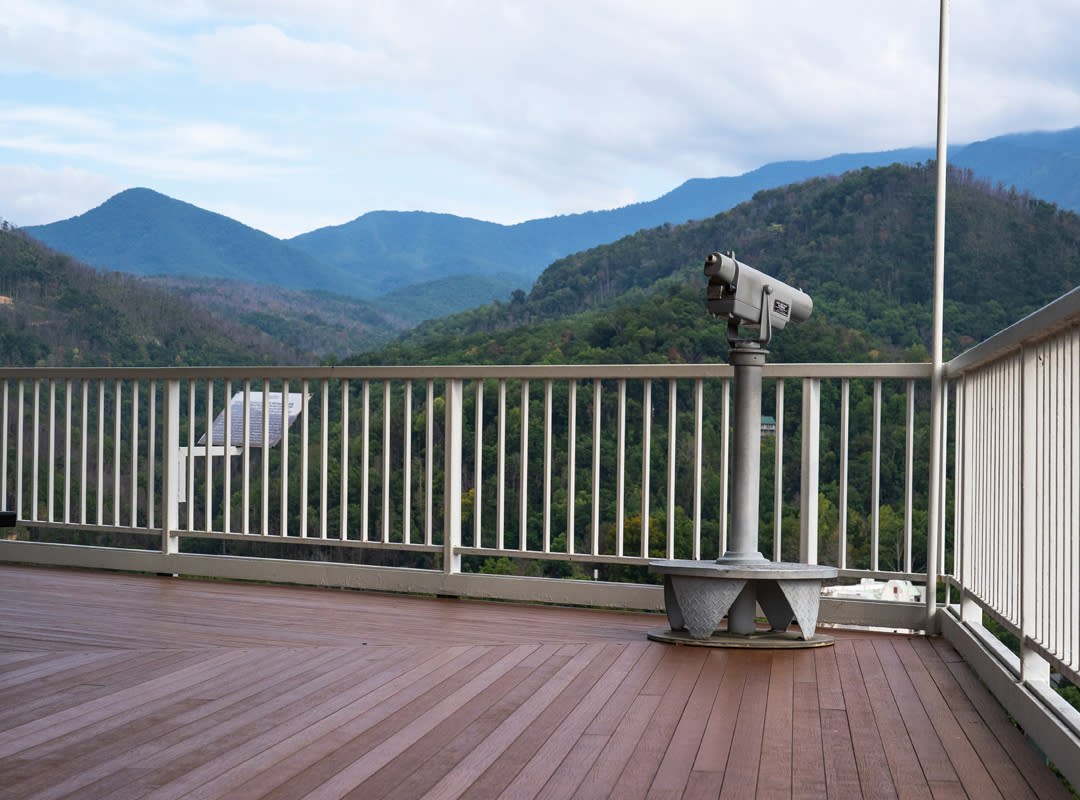 The towering Space Needle in Gatlinburg offers views of Great Smoky Mountains National Park. The city is host to the Tennessee Sustainability Conference set to begin Aug. 19 at the Park Vista Hotel. Gatlinburg Chamber of Commerce
Tennessee Sustainability Conference offers networking and tips and tricks for people, agencies and businesses
GATLINBURG — The annual Tennessee Sustainability Conference is set for Aug. 19-21 at the Park Vista Hotel in Gatlinburg in the shadows of Great Smoky Mountains National Park. The conference is a partnership between Tennessee Recycling Coalition, Tennessee Chamber of Commerce and Industry, and Tennessee Environmental Conference, and brings together environmental professionals from across the region.
Tennessee mayors will also gather for the 6th annual Mayor’s Retreat on Aug. 20, to gain resources, share in conversation, and collaborate for solutions. The Tennessee Department of Environment and Conservation will provide information and updates on various programs, including Brownfield Grants, the 2035 Solid Waste Plan, and more.
The conference brings together a diverse group of professionals, including government officials, business leaders, mayors, nonprofits, and sustainability experts. Attendees can discover the latest trends and best practices in environmental sustainability, and network with fellow attendees who are passionate about making a positive impact.
- tennessee sustainability conference
- gatlinburg environment
- tennessee recycling coalition
- tennessee environmental conference
- tennessee mayors and sustainability
- where can i learn more about sustainability in tennessee
- park vista hotel
- tennessee chamber of commerce
- tennessee chamber of commerce sustainability
- tennessee department of environment and conservation
- brownfield grants
- latest trends and best practices in environmental sustainability
EPA chief warns against data center restrictions as locals mull guardrails
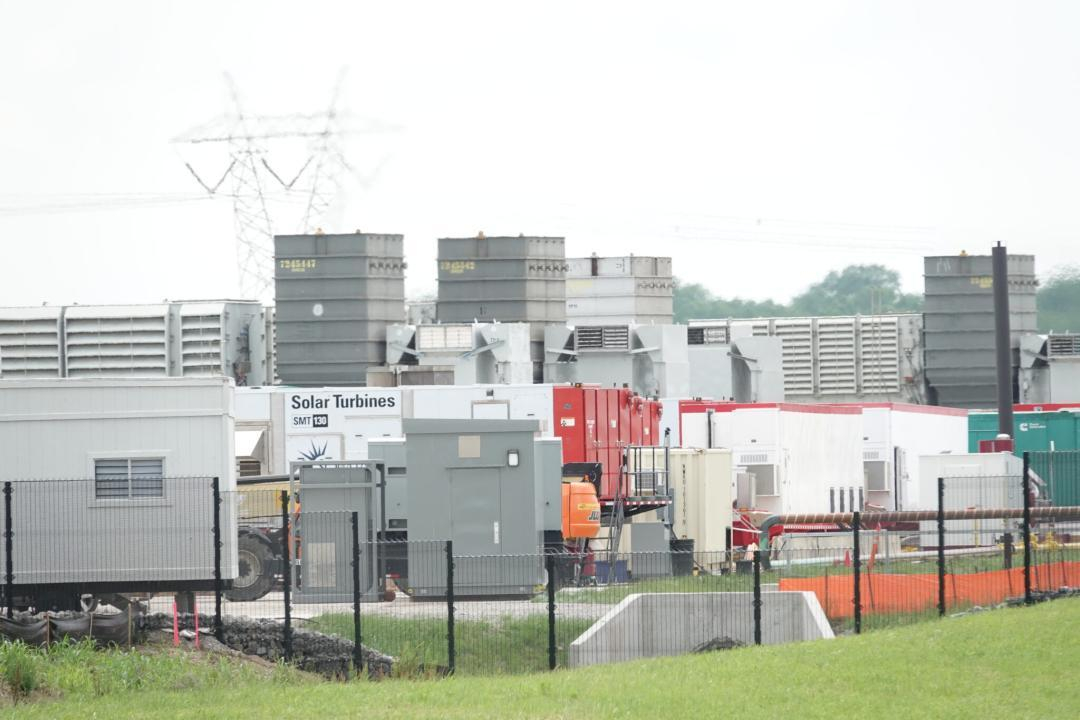 Sixty data centers are operating or under construction in Tennessee, with 25 in the Nashville area. Karen Pulfer Focht/Tennessee Lookout
As Elon's turbines pollute Memphis, EPA head urges hands-off approach to data centers
This story was originally published by Tennessee Lookout.
NASHVILLE — U.S. Environmental Protection Agency Administrator Lee Zeldin called New York’s recently announced statewide moratorium on data centers an “easy way to cop out” during an appearance at the Tennessee Chamber of Commerce and Industry’s Infrastructure Summit on July 14.
Data centers — which house the computer servers and storage that power the internet, cloud computing and artificial intelligence — range in size from single rooms to massive campuses that can use as much power as an entire city. Zeldin said he’s seen both bad and good data center projects throughout the country.
The EPA recently joined the U.S. Department of Justice in petitioning to stop an environmental lawsuit filed by the NAACP against xAI, which accuses Elon Musk’s company of building a power plant composed of gas-powered turbines near the Tennessee-Mississippi border without obtaining permits to power its Colossus 2 data center in south Memphis.
The good news, he said, is that “Americans mostly want to make America the (Artificial Intelligence) capital of the world.”
“The bad news is that when they think about data centers, too often they’re only hearing about those controversial projects,” he said. But Zeldin warned communities against shutting down all data center development.
“For a local community that is thinking through bringing a data center to their area, I would encourage them to ask three questions: Is the project going to make my bills go up or down? Is the project going to be a net provider onto the grid, or a net taker? And what are they going to do with water? Is it a closed-loop data center? Is it 100 percent recyclable?” Zeldin said.
The remarks were part of a speech centered on reducing the federal agency’s regulatory power to “nothing less, but nothing more” than what federal statute spells out.
Construction trade groups support Tennessee water-protection rollbacks as TDEC staffers push back against reduced sediment controls
 Grading along Maryville Pike in Knoxville pumped sediment into a nearby stream and on to the Tennessee River. The owner of the property was cited for violating state water-quality laws. Courtesy Knoxville Stormwater Management
Tennessee Homebuilders Association and Tennessee Chamber of Commerce support reduced site inspections
This story was originally published by Tennessee Lookout.
Cindy Whitt and Judy Alexander, neighbors in the Westhaven subdivision in Williamson County for nearly 15 years, have watched their development grow from a small new-build subdivision of 500 homes to now more than 2,500.
In that time, on their regular walks together, they’ve also witnessed the results of dwindling green space as construction has surged:
“Almost everything from the construction runs through our storm sewer,” said Alexander. “Even though the developers put up fences (designed to prevent silt from escaping) all you need is a really steady rain — it doesn’t have to be heavy — and it all flows into our the Harpeth and the West Harpeth.”
The pair have contacted the Corps of Engineers, the city of Franklin and the state department of environment and conservation, but despite inspections, overflow ponds and new fencing, the problem persists.
“It blows my mind if we can’t even enforce the rules in wealthy Williamson County,” said Whitt, who worked for the Environmental Protection Agency in the 1970’s.
The women are now among more than 100 Tennessee residents who have voiced their opposition in public meetings and in written comments to proposed revisions to the permitting process for construction companies that Whitt fears will make the problems worse.
The proposed change by the state’s environmental regulators would roll back longstanding regulation for construction site runoff — rainwater that sweeps soil or other particles off site and into nearby waterways, often creating deposits of silt that impact water quality and aquatic life.